
Why Do Basic Tap Filters Fail to Protect Families From Hidden Contaminants?
Basic tap filters treat water at a single faucet, leaving the water you use for cooking, bathing, and other daily tasks untreated. Whole-home water treatment systems address water before it enters your plumbing, reducing a broader range of contaminants at the source rather than at a single point of use. This distinction determines whether your entire household is protected or just one glass of drinking water.
The EPA reports that in fiscal year 2022, about 43.2% of the country's community water systems failed to meet at least one drinking water standard. This finding matters because it shows the water entering your home may already carry issues that a basic filter was never built to catch. If your goal is real safety, not just better-tasting water at one tap, it's worth understanding why the right water filtration solutions exist to close that gap.
What Contaminants Do Basic Tap Filters Remove?
Basic tap filters can improve home water quality, but performance depends entirely on the technology inside. A filter designed to reduce chlorine should not be expected to remove metals, bacteria, or other contaminants.
Common filter technologies include:
Activated carbon for certain tastes, odors, and chemicals
Reverse osmosis for selected dissolved substances
Ultraviolet treatment for certain microorganisms
Ion exchange for specific minerals and dissolved ions
The label "water filter" does not tell you what a product can actually remove. Instead, review its:
Documented performance
Certifications
Rated capacity
Replacement schedule
A cartridge that has exceeded its service life may not perform as intended. The most important question is simple: what is your filter designed to remove? Without a clear answer, you cannot assume it addresses every contaminant affecting your water.
Do Faucet Water Filters Clean Water Throughout the House?
No, a faucet-mounted filter treats water only at the outlet where it's installed. A pitcher filter has an even narrower scope, treating only the water placed inside it. Your home draws water from multiple outlets every day, including:
Kitchen and bathroom faucets
Showers and bathtubs
Water used for cooking and food preparation
A filter attached to one faucet improves water from that outlet only, without changing the water supplied elsewhere. This creates a clear distinction between treating a single point of use and treating the water entering your property.
Point-of-use filters still serve a practical role in addressing a specific concern at a single outlet. They are not designed to provide whole-property coverage.
Are Whole-Home Water Treatment Systems Better Than Basic Tap Filters?
A basic tap filter may suit a specific issue at one point of use. Whole-home water treatment systems provide comprehensive water treatment for your entire home. Installed at your home's main water supply, they treat water before it flows to outlets such as:
Kitchen faucets
Bathroom fixtures
Showers and other household outlets
This approach can reduce the need for separate filters at multiple faucets. However, broader coverage doesn't mean every system removes every contaminant. The treatment technology must still match the water quality concern.
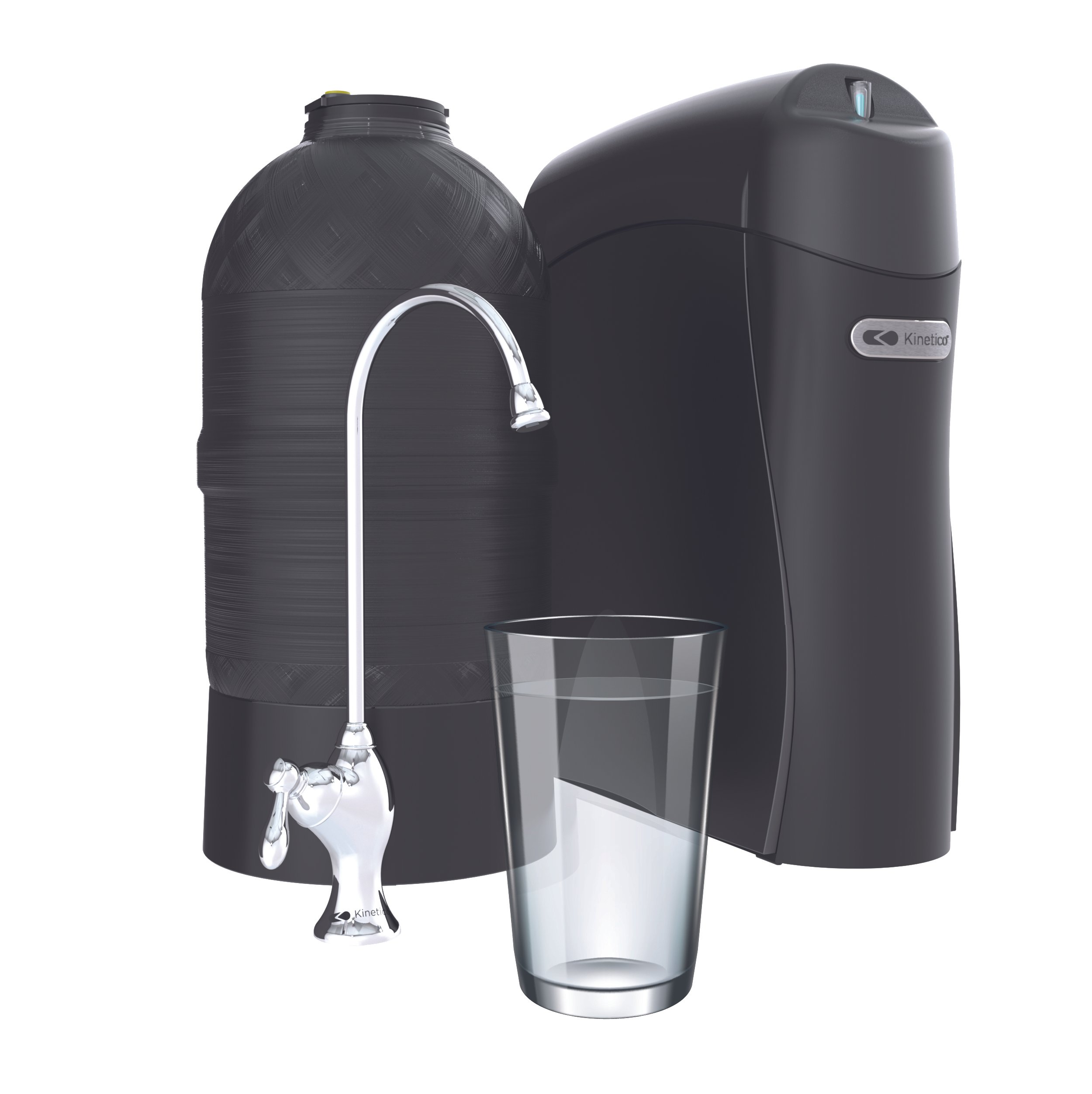
A system designed to reduce sediment may not remove dissolved metals or eliminate microorganisms, while one designed for specific chemicals may not address microbial contaminants. The most effective approach matches the treatment method to the actual problem. At Tim Beil Plumbing, we evaluate your specific water quality concerns using Kinetico equipment before recommending a whole-home system tailored to your household's needs.
Choosing the Right Residential Water Treatment System
Choosing a treatment system starts with understanding your water, not comparing products. Installing equipment without testing first increases the risk of treating the wrong problem.
A professional water analysis identifies which contaminants are present and measures their concentrations, helping determine which treatment methods fit your household. When comparing treatment systems, consider:
Water test results
Household water usage
Flow rate requirements
Maintenance needs
Operating costs
Available warranty
A larger family typically requires a higher-capacity system than a smaller household with lower daily water demand. Maintenance requirements also vary by technology. Understanding how often filters, softening media, or UV lamps need servicing helps you estimate long-term ownership costs before deciding.
Investing in the right residential water treatment system delivers better value than choosing equipment based solely on price. The most effective home water purification systems are those designed for your home's specific water conditions.
Frequently Asked Questions
How Often Should You Test Your Home's Water Quality?
Your testing schedule depends on your water source and any changes in water quality. Homes with private wells should generally test their water at least once a year, while municipal water users should consider testing if they notice changes in taste, odor, or color.
Additional testing is also recommended after flooding or nearby construction that could affect your water supply. Regular testing helps ensure your treatment system continues to address your home's water quality needs.
Will Whole House Water Filters Reduce My Water Pressure?
A properly sized system should not cause a noticeable pressure drop. Undersized systems or clogged filters are the most common causes of reduced flow, which is why matching the system to your household's flow rate requirements matters during installation. Regular filter changes and periodic maintenance checks help maintain consistent pressure throughout your home.
How Much Does a Whole-Home Water Treatment System Cost?
Cost depends on the technology and your household's size, with reverse osmosis or specialized media systems priced higher than basic carbon setups. Installation, water testing, and ongoing maintenance also add to your total investment. Comparing this cost against years of bottled water or filter replacements often reveals the better long-term value.
Cleaner, Safer Water Starts With Whole-Home Water Treatment Systems
Basic tap filters only go so far, leaving most of your home's water untreated. Whole-home water treatment systems close that gap, protecting every faucet and shower from source to tap. Get your water tested today to find the right system.
Since 1967, at Tim Beil Plumbing, we've proudly served the Lehigh Valley as a family-owned business now in its third generation. Led by Tom and Tim Beil, our team of registered Master Plumbers, Journeymen, and Apprentice Plumbers delivers expert plumbing, water treatment, and water softener services using state-of-the-art Kinetico equipment.
Contact us today for expert guidance on the best whole-home water treatment solution.